
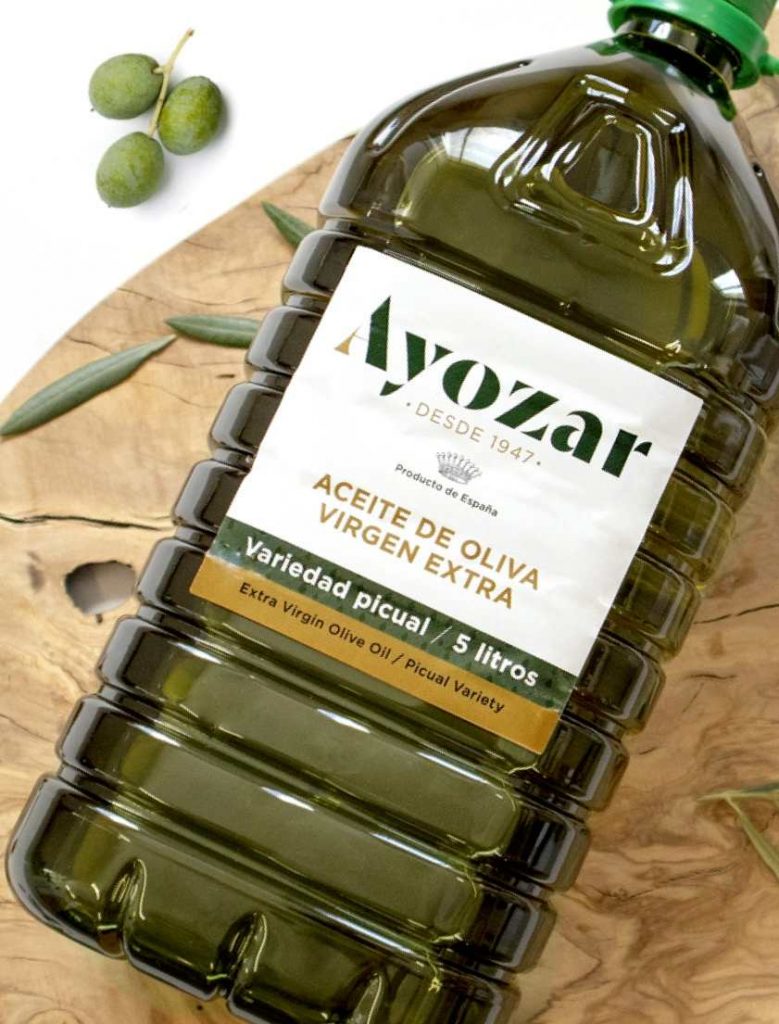
There is a very common question in the kitchen and it is often repeated: he extra virgin olive oil Can it be used with heat or does it lose all its properties? For years, numerous ideas have circulated on this topic, generating some confusion among consumers seeking to make the most of the qualities of olive oil.
Some people believe that EVOO should only be used raw to dress salads or finish dishes, while others avoid cooking with it for fear that the heat will quickly deteriorate it. However, the reality is more complex and deserves a more detailed explanation.
Understanding how extra virgin olive oil behaves at high temperatures helps to use it appropriately and enjoy all its possibilities in daily cooking.
What happens when we heat oil?
When any oil is subjected to high temperatures, physical and chemical changes begin to occur. Among them can be found:
- Alterations in flavor.
- Changes in aroma.
- Progressive degradation of some compounds.
- Formation of substances derived from excessive heating.
The speed with which these changes occur depends on different factors:
- The type of fat present in the oil.
- The degree of refining.
- The time of exposure to heat.
- The temperature reached.
- The presence of natural antioxidants.
Not all oils react the same way when heated.
Why does EVOO behave differently?
He Extra Virgin Olive Oil It has characteristics that differentiate it from other types of vegetable fats.
Its composition mainly contains monounsaturated fatty acids, especially oleic acid, a fat known for its heat stability compared to other oils rich in polyunsaturated fats.
Besides, EVOO preserves natural compounds present in the olive, among them:
- Polyphenols
- Vitamin E
- Natural antioxidants
- aromatic substances
These components help protect the oil against oxidation and deterioration processes.
Therefore, Extra virgin olive oil usually shows good resistance during common domestic cooking processes..
The great myth: “olive oil is not useful for cooking”
One of the most widespread myths is that EVOO automatically loses all its properties when it is heated. This statement does not reflect what really happens.
It is true that some sensitive compounds can decrease with elevated temperatures or prolonged exposure, as occurs with many foods during cooking. However, This does not mean that oil is no longer a suitable option for cooking..
In fact, extra virgin olive oil has been traditionally used for centuries to:
- Stir-fried
- Stews
- Roasts
- Stir-fried
- Fried foods
- Confectionery
Mediterranean cuisine has incorporated olive oil as an essential ingredient for generations.
Is there a limit temperature?
When talking about oils, the concept ofsmoke point. This term refers to the temperature at which an oil begins to generate visible smoke due to its degradation.
However, Smoke point is not the only factor that determines whether an oil is suitable for cooking.
Elements such as:
- Oxidative stability.
- The quality of the oil.
- The presence of antioxidants.
- The cooking time.
In a typical domestic kitchen, many cooking methods work at moderate temperatures that allow you to use a good evoo without problem.
Tips for cooking with EVOO and heat
To take better advantage of its features and obtain good results, some simple recommendations can be followed.
1. Avoid overheating the oil
It is not necessary to bring the oil to extreme temperatures to cook properly.
Gradual heating is usually enough to prepare most recipes.
2. Use adequate quantities
The amount will depend on each preparation, but avoiding excesses helps to achieve balanced dishes and more uniform cooking.
3. Choose a quality EVOO
The quality of the product directly influences the final result.
An extra virgin olive oil made from selected olives such as Aceites Ayozar maintains its characteristics better and provides a more balanced flavor.
4. Take advantage of its versatility
EVOO doesn't only work in crude oil. You can also join:
- Baked vegetables
- Meats and fish
- Quick stir-fries
- Rice
- Legumes
- Traditional stir-fries
- Cakes, biscuits, etc.
Each recipe can take on different nuances depending on the variety used.
Heat can also enhance flavors
We often associate olive oil only with salads or toast, but cooking with EVOO allows us to develop different aromas and flavors.
In a stir-fry, for example, The oil acts as a vehicle for numerous aromatic compounds present in ingredients such as garlic, onion or tomato.
In roasted vegetables it helps enhance natural flavors and improve textures. In fish and meat it can provide juiciness and balance.
Therefore, extra virgin olive oil not only fulfills a culinary function related to cooking, but also an important role in the gastronomic experience.
Quality and tradition in each recipe
Extra virgin olive oil It is part of the essence of Mediterranean cuisine and continues to be one of the most valued ingredients both for its versatility and its flavor.
Understanding how it responds to heat allows you to take advantage of all its possibilities without limiting its use only to cold preparations.
InAyozar Oils, We believe that a good EVOO is designed to accompany every moment in the kitchen: from toast for breakfast to a traditional stir-fry or an elaborate recipe to share.
Cooking is also about enjoying, experimenting and giving value to ingredients that have been part of our table for generations.